Table of Content
She has over 15 years of experience in the field and specializes in cosmetic dermatology. Dr. Holcomb earned an MS in Public Health and Parasitology from The Tulane University School of Public Health and Tropical Medicine and an MD from Tulane University School of Medicine. She also completed her residency in dermatology as Chief Resident at Saint Luke’s-Roosevelt Hospital Mount Sinai. This article has been viewed 89,819 times. Kojic acid is an antioxidant that works by breaking down melanin. It is available in skin-lightening cosmetics in 1-4% concentrations.
Nevertheless, you may want to consult a dermatologist if you have severe acne. With these conflicting findings and limited research, more studies are needed to confirm the role of brewer’s yeast in the treatment of acne. When you’re stressed, you might also be more likely to pick at spots on your face. Touching or picking your skin more than necessary can increase acne by spreading bacteria. In a 2018 study including 114 participants, those with acne were found to drink significantly more milk than people who didn’t have acne.
How to Get Rid of Acne Quickly and Cheaply
Regulate your sleep cycle by going to bed at a consistent time every night and sleeping for a minimum of eight hours at least. This article has been viewed 1,099,183 times. Yes, you can apply honey or baking soda to just the areas that have pimples. This is the best way, though you can apply to your whole face. They'll be able to take a look and give you some good direction. They may be able to prescribe a topical antibacterial cream or a steroid to try and get the problem under control.

What you eat affects many aspects of health — including your skin. Here are 12 foods and beverages to add to your diet for better skin health. Apple cider vinegar has a variety of uses and many claimed health benefits. This article takes a closer look at whether it can also fight acne. In-vitro inhibition of staphylococcal pathogenesis by witch-hazel and green tea extracts.
Fighting Acne with Natural Remedies
Efficacy of a twice-daily, 3-step, over-the-counter skincare regimen for the treatment of acne vulgaris. In one small 2016 study, 38 patients with acne received eight microdermabrasion treatments at weekly intervals. The participants with acne scars showed some improvements following the treatments. Standard clinical treatments are the most effective for reducing acne. You can also try home treatments, though more research on their effectiveness is needed. Always use effective sunscreen products.
A 2017 study found that the combination of honey and cinnamon bark extract exerted antibacterial effects against P. acnes. It’s relatively well studied compared with other natural treatments for acne. It’s important to note that applying apple cider vinegar to your skin can cause burns and irritation, and most dermatologists wouldn’t recommend it. If you choose to try it, use it in small amounts and dilute it with water. After cleansing, gently apply the mixture to the skin using a cotton ball. Many home remedies lack scientific backing, and further research on their effectiveness is needed.
What causes acne?
Retinoids also help keep your skin clear after it has cleared your existing acne.Topical dapsone products have recently been approved in the United States for the treatment of acne. Dapsone has both antibiotic-like activity, and it acts as an anti-inflammatory. This form of therapy has been shown to work fairly quickly. In some cases, dapsone works best when combined with other forms of treatment, like the use of a topical retinoid product.
This article has been viewed 15,020 times. Be wary if you have rosacea, as tea tree oil may worsen your symptoms. Know the most important acne-fighting tips and tricks.
Apply green tea to your skin
However, you may want to start with 1-2 ingredients first to see how your skin tolerates it. Skin may be oily, dry, or combination, and each type has a different cleansing need. You may also have sensitive skin that reacts negatively to harsh chemicals.
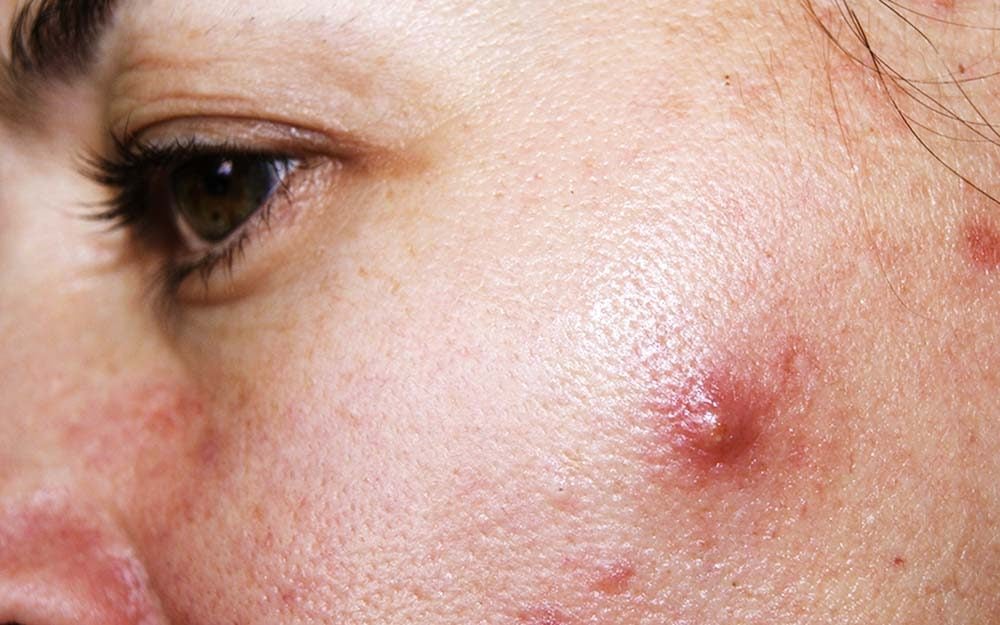
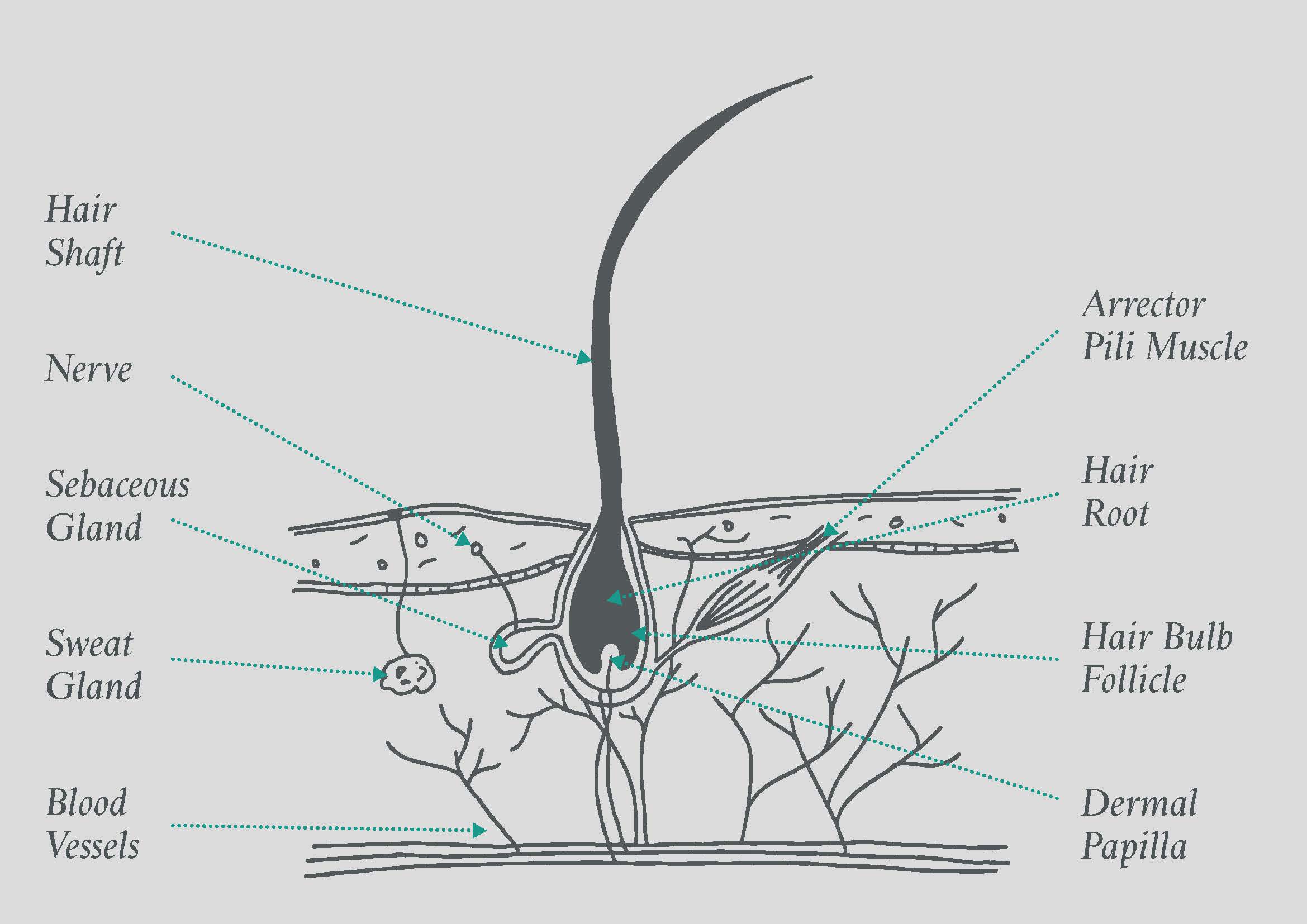
Acne starts when the pores in your skin get clogged with oil and dead skin cells. Acne is a skin condition that occurs when your skin follicles become blocked with oil and dead skin cells. It’s a very common condition, and most people have experienced acne in their lifetime, especially during their teen years as their sebaceous glands produce more oil. This has prompted many people to try to cure acne naturally at home. In fact, a 2017 study found that 77 percent of acne patients had tried alternative acne treatments.
A comparative study on the effectiveness of herbal extracts vs 2.5% benzoyl peroxide in the treatment of mild to moderate acne vulgaris. Many people choose to try natural remedies. Most home remedies for acne have not been shown to be clinically effective, but they’re available as alternative treatment options. Exfoliating may also make acne treatments for the skin more effective by allowing them to penetrate deeper, once the topmost layer of skin is removed.

The epidemiology of acne vulgaris in late adolescence. Dynamics of the human skin mediator lipidome in response to dietary ω-3 fatty acid supplementation. Evaluation of anti-microbial activities of ZnO, citric acid and a mixture of both against Propionibacterium acnes. The CDC recommends adults do two types of physical activity each week for a total of 150 minutes. This can include walking, hiking, running, and lifting weights. Another 2018 study suggested exercise can decrease stress and anxiety, both of which can contribute to the development of acne.
High stress levels lead to increased sebum production, so do your mind and your skin a favor by giving yourself some time to relax. Try taking a relaxing bath, reading a book, meditating, or practicing yoga and watch your skin transform in response. Avoid foods high in sugar, like baked goods, candy, dairy desserts , and soft drinks. Thanks to all authors for creating a page that has been read 1,099,183 times. Include your email address to get a message when this question is answered.
There are also many home remedies out there, with varying levels of evidence for their effectiveness. If you suffer from severe acne, consult your doctor. Experts agree that conventional treatments, like salicylic acid, niacinamide, or benzoyl peroxide, are the most effective, though some people may find them irritating. Aloe vera contains salicylic acid and sulfur, both of which are used extensively in the treatment of acne. Research from 2017 found that applying salicylic acid to the skin reduces acne.
Your dermatologist can help you choose the best products for your skin type. Introduce new products or treatments gradually to reduce side effects and to watch for possibly serious allergic reactions. Topical sulfur is used in creams sold in over-the-counter or by prescription.
Vary the use of products with different active ingredients. If you have especially frustrating bouts of acne, try one product in the morning and a different one at night. You will likely see improved results as well as less skin irritation.



No comments:
Post a Comment