Table of Content
Vary the use of products with different active ingredients. If you have especially frustrating bouts of acne, try one product in the morning and a different one at night. You will likely see improved results as well as less skin irritation.

There are also many home remedies out there, with varying levels of evidence for their effectiveness. If you suffer from severe acne, consult your doctor. Experts agree that conventional treatments, like salicylic acid, niacinamide, or benzoyl peroxide, are the most effective, though some people may find them irritating. Aloe vera contains salicylic acid and sulfur, both of which are used extensively in the treatment of acne. Research from 2017 found that applying salicylic acid to the skin reduces acne.
Spot treat with tea tree oil
Retinoids also help keep your skin clear after it has cleared your existing acne.Topical dapsone products have recently been approved in the United States for the treatment of acne. Dapsone has both antibiotic-like activity, and it acts as an anti-inflammatory. This form of therapy has been shown to work fairly quickly. In some cases, dapsone works best when combined with other forms of treatment, like the use of a topical retinoid product.
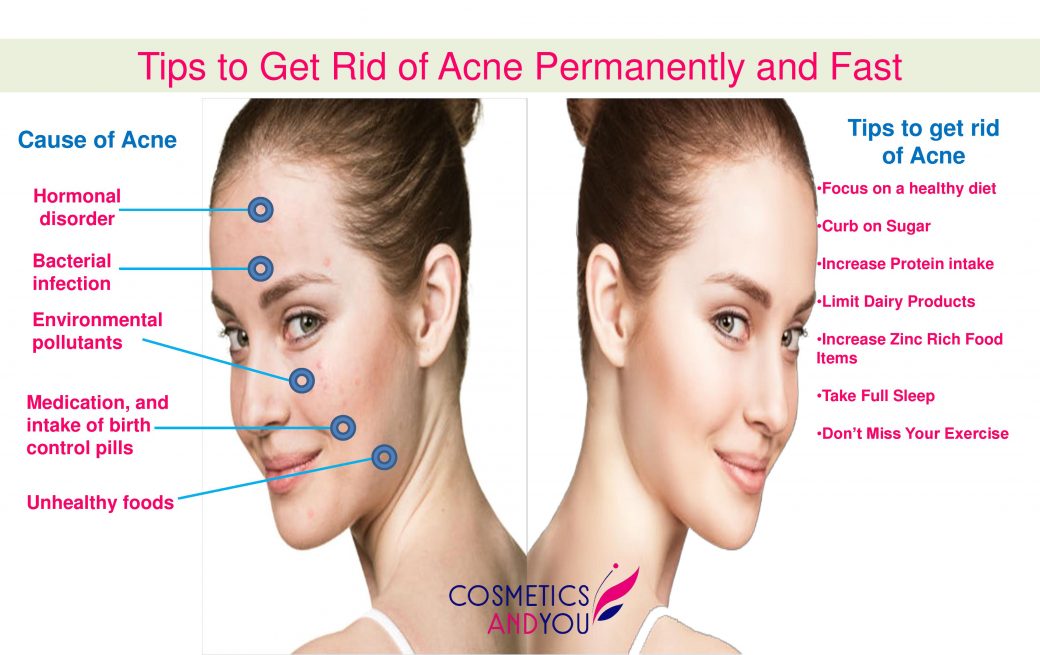
These are usually not as effective as the deeper physician treatments, but they may be effective for some people. This process involves applying a solution to your face that strips away surface layers of skin. If you do not have sensitive skin and your skin tends to be oily, opt for an acne cleanser with either benzoyl peroxide or salicylic acid. A pea sized amount is usually enough.Note that some cleaning options come with benzoyl peroxide and other active ingredients in them. If you’re using these, don’t apply more of the same acne products after cleansing. Keep in mind that many acne products tend to dry or irritate the skin, so a good moisturizer can help reduce these side-effects.
How to Get Rid of Acne Quickly and Cheaply
Currently, there appears to be very little research on witch hazel’s ability to treat acne specifically. Allow it to dry, then rinse it off with water and pat your skin dry. Using a cotton ball, apply the tea to your skin or pour it into a spray bottle to spritz it on. You can buy creams and lotions that contain green tea, but it’s just as easy to make your own mixture at home.

Aloe reduces inflammation, helps remove oil, and cools your skin. This can help alleviate some of your acne. Get an aloe leaf and cut off a small section. Spread the aloe gel paste onto your acne. If you don't have sensitive skin, you might try using a cleanser that contains an active ingredient such as salicylic acid or benzoyl peroxide.
How Do I Get Rid of Hormonal Acne?
Start using a prescription topical product. Sometimes it can take 8 weeks or even longer to see results with over-the-counter topical acne products. Some people even experience a worsening of acne symptoms prior to improvement.
When you dry your face, pat dry with a clean, dry towel. Do not use a towel that's been sitting out in the bathroom as you want to keep bacteria away from your skin. Alpha hydroxy acids can also make pores look smaller, improving the overall appearance of the skin in addition to eliminating acne. It might seem like the acne appeared overnight, but most treatments won't disappear overnight.
If you’re looking for alternative treatments, though, there are still options you can try. They are most often used to control inflammatory acne while other treatments take effect. Antibiotics that are commonly used to treat acne include doxycycline, minocycline, and tetracycline.
You should try cutting back on dairy for a week or two and see if you notice any changes in your skin. Be careful when using benzoyl peroxide. Therefore, it is very important that you wear sunscreen everyday, with an SPF of 30.Of note, after SPF 30, there are decreasing marginal returns in UVB protection.
Wash your face twice a day, in the morning and in the evening, and again after exercising. Cleanse areas from under the jaw to the hairline, then rinse the areas thoroughly. Tight clothing traps heat and moisture, which can irritate your skin. In particular, avoid tight straps and headwear to prevent friction against your skin.
She has over 15 years of experience in the field and specializes in cosmetic dermatology. Dr. Holcomb earned an MS in Public Health and Parasitology from The Tulane University School of Public Health and Tropical Medicine and an MD from Tulane University School of Medicine. She also completed her residency in dermatology as Chief Resident at Saint Luke’s-Roosevelt Hospital Mount Sinai. This article has been viewed 89,819 times. Kojic acid is an antioxidant that works by breaking down melanin. It is available in skin-lightening cosmetics in 1-4% concentrations.
With persistence, though, you'll eventually get clear skin. Although we’ve all heard to drink eight glasses of water a day, there isn’t a set amount on how much water you should consume. Water helps to detoxify your body and purify your skin, so make sure you drink water often throughout the day. If you are buying aloe vera gel, only use the natural, pure kind. The stuff you buy in superstores shouldn't be used on your face.
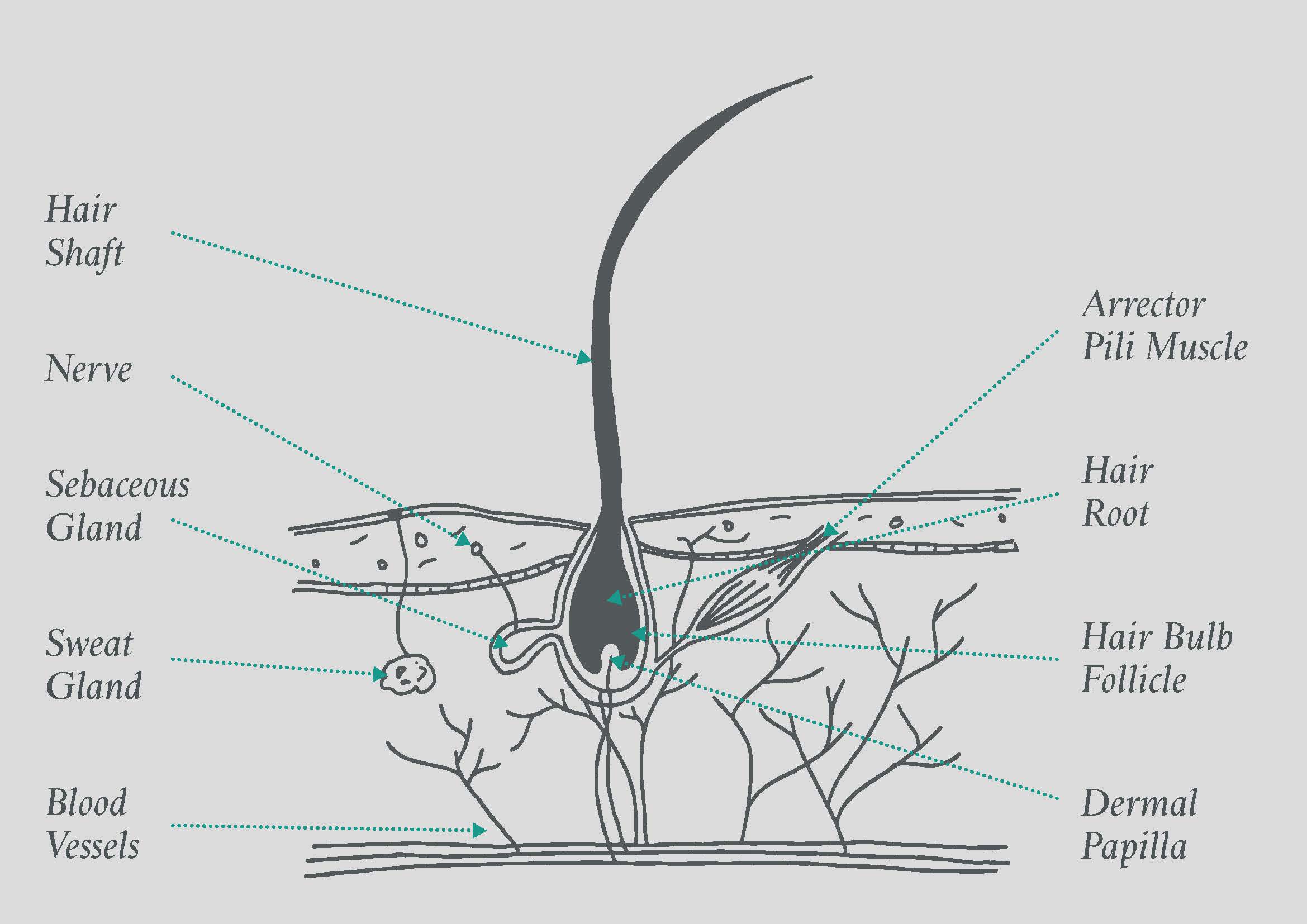
Some dermatologists advise against using apple cider vinegar at all, as it may irritate the skin. According to research from 2017, the lactic acid in apple cider vinegar may also improve the appearance of acne scars. Each pore is connected to a sebaceous gland, which produces an oily substance called sebum. Extra sebum can plug pores, causing increased growth of bacteria known as Propionibacterium acnes, or P. acnes. From the Medical College of Wisconsin School of Medicine in 1995 and completed her residency at the Medical College of Wisconsin in Pediatrics in 1998. She is a member of the American Medical Writers Association and the Society for Pediatric Urgent Care.
Talk with your dermatologist to learn more about Accutane treatment. Increase your use of the new product gradually. The most common problems with using prescription topical products are burning and stinging of the skin, dryness, and scaling. Light chemical peels can be done at home.
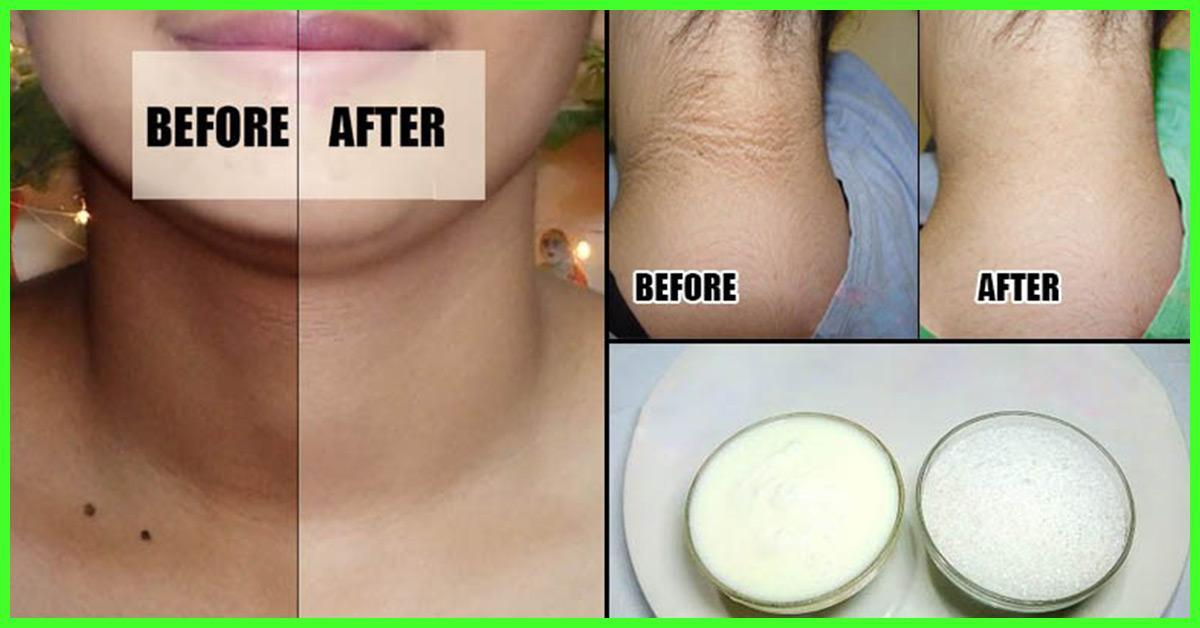
Many creams and cosmetics available over-the-counter contain plant-based and other natural ingredients that may help lighten the skin. In order to prevent the darkening of the hyperpigmentation spots, cover the affected area from direct sunlight and/or avoid prolonged exposure to sun. This procedure, also called “photoprotection,” is essential to prevent the worsening of the condition because UV irradiation can cause darkening of hyperpigmentation spots. Give an acne treatment at least 4 weeks to work. Using a different product every few days can also irritate your skin, causing new breakouts. People with moderate to severe acne should seek professional help to find relief.



No comments:
Post a Comment